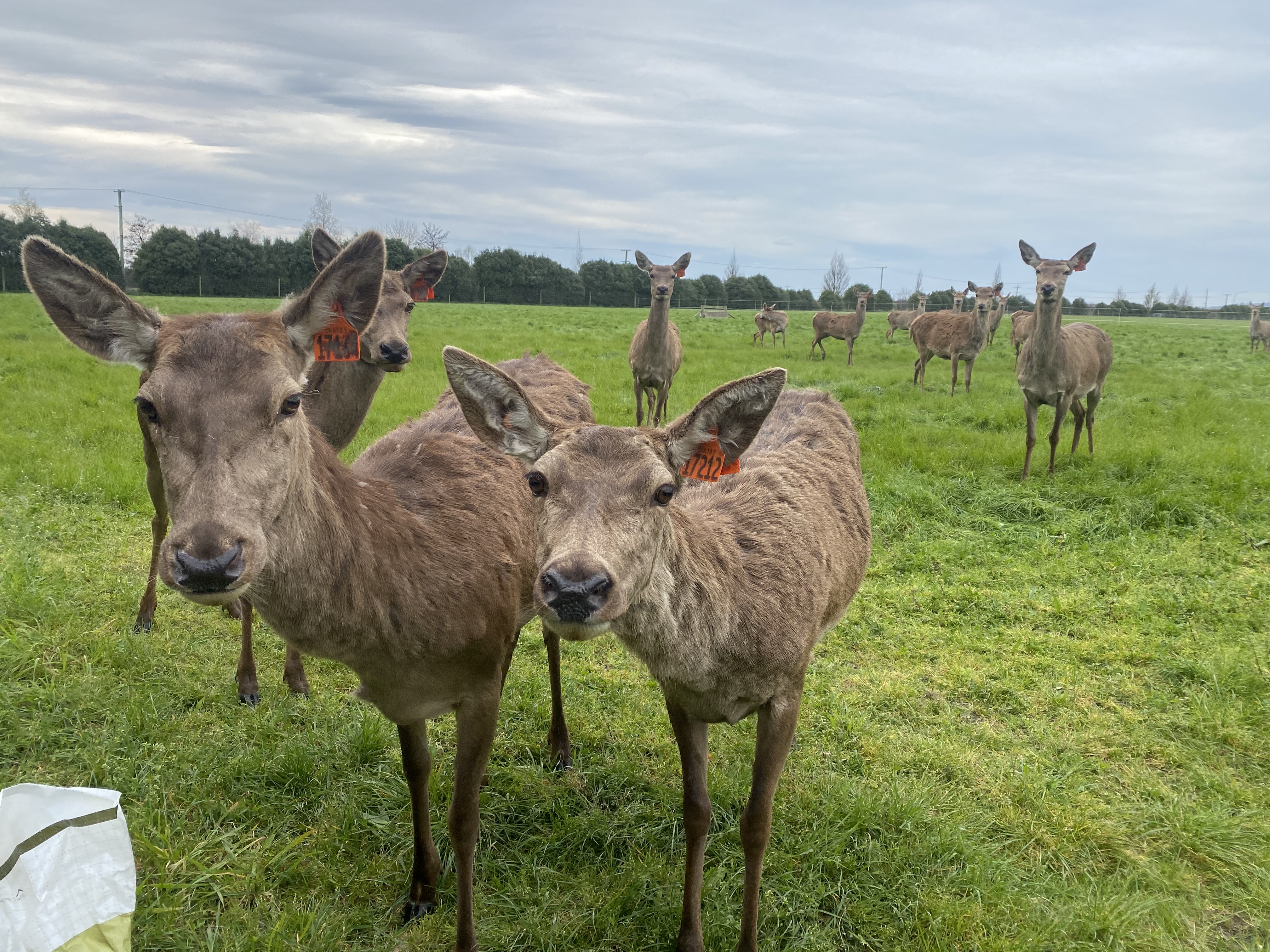


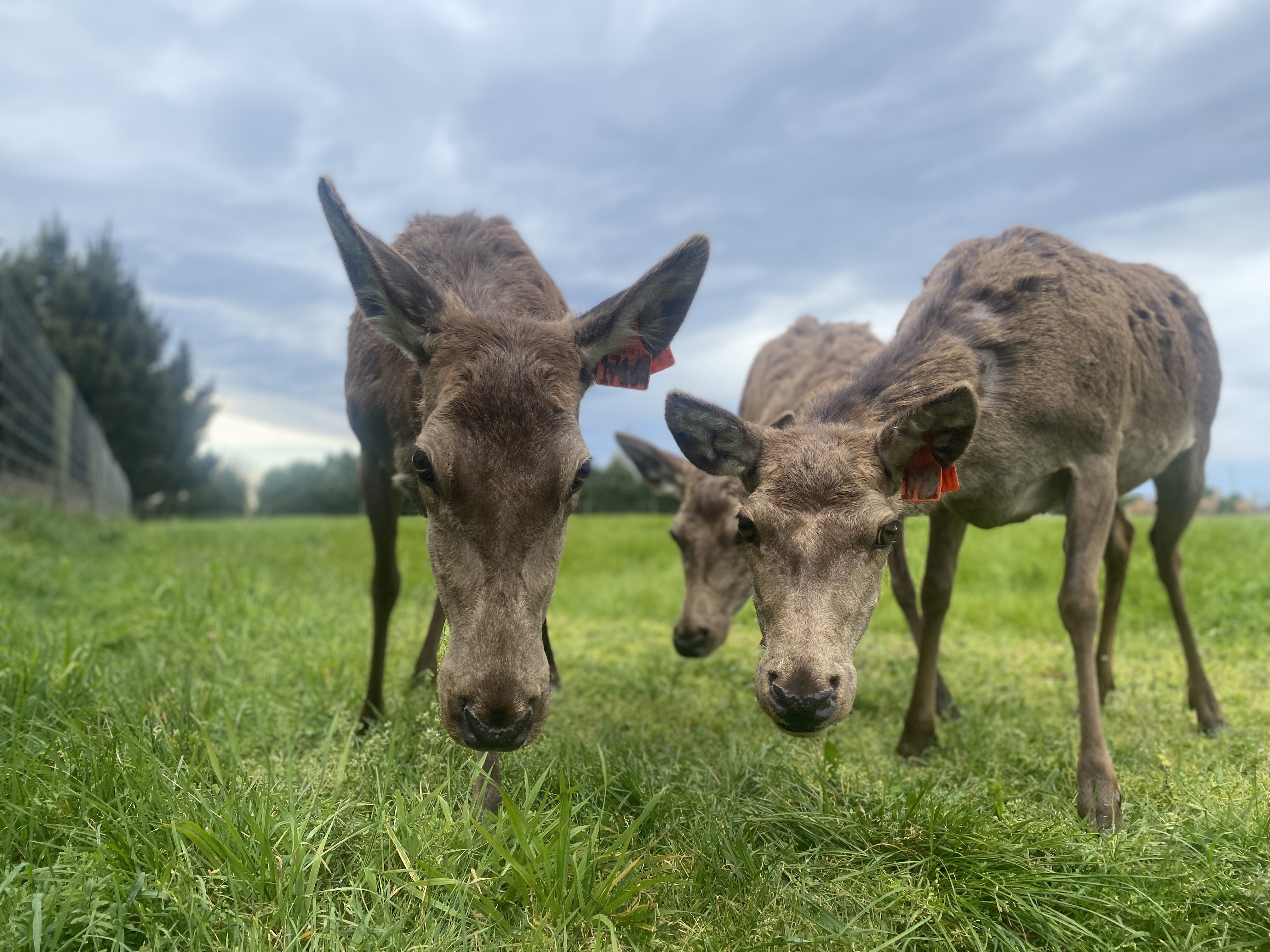

This project is headed up by Emilia Lopez as part of her PhD program supported by Mountain River Vension.
This project, titled "Integral Health By Design in Deer Farming Systems," proposes a paradigm shift in livestock production by applying Design Theory to co-design and model an Integral Health framework for deer farming. The research addresses the challenge of balancing productivity with environmental integrity, animal welfare, and human health. The central hypothesis is that a structured, holistic approach will generate synergistic improvements across multiple indicators, including life cycle assessment (LCA), emergy efficiency, economic viability, animal welfare, and human nutrition.
The project's innovation lies in using the Design Theory framework to operationalize the Integral Health concept, moving beyond singular solutions to create a coherent system that balances ecological, animal, human, and socio-economic well-being. The methodology will begin by co-creating a farm model through a systematic literature review and stakeholder workshops, followed by modeling case scenarios using the Design Theory framework.
The empirical component consists of two main trials. First, a finishing trial will compare deer grazing on conventional pasture (primarily perennial ryegrass and white clover) against those grazing on functionally diverse forage mixtures. This trial will assess whether the diverse pastures exhibit a more diverse and enriched metabolomic and lipidomic profile. It will also evaluate if deer on these pastures show greater liveweight gain and improved plasma total antioxidant status. Second, a randomized crossover human trial will assess the postprandial health effects of consuming venison from the different systems. This trial will determine if venison from deer raised on diverse pastures leads to detectable increases in circulating bioactive metabolites, improved postprandial antioxidant capacity, and reduced inflammatory markers.
Data from these trials will inform the development and evaluation of the "Integral Health by Design" model. The model will quantify its advantages over conventional systems using Life Cycle Assessment (LCA), Emergy Evaluation, and economic modeling. By establishing a direct link between pasture management and human health, the final output will be a co-designed blueprint for commercial deer farms. This blueprint aims to provide an evidence-based framework for sustainable and health-promoting animal production that simultaneously advances environmental, animal, and human well-being.