About Us

What is the Centre for Excellence?

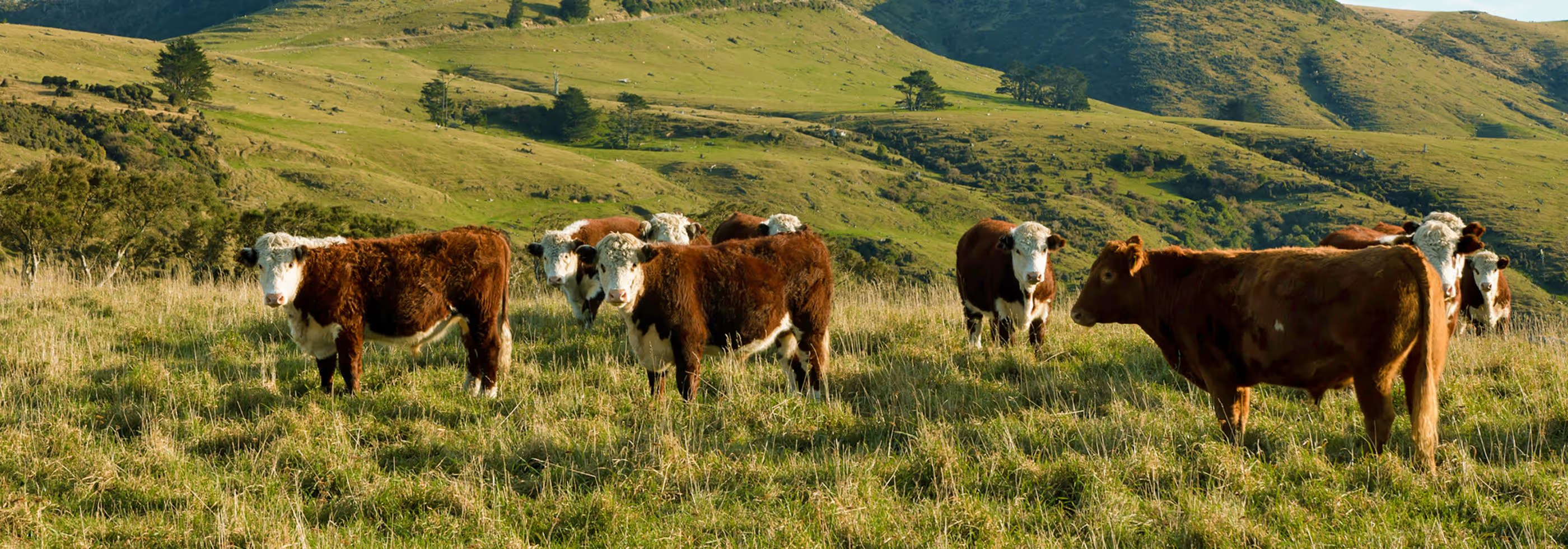
Finding it's home at Lincoln University, the Centre of Excellence – Designing Future Productive Landscapes was founded in 2020, and seeks to explore all elements related to the future of agricultural development throughout the world, while considering the sociological context for an evolving world.

We are part of the Anthropocene, the time during which we as humans have had a substantial impact on our planet. Whether or not we are in a new geological age, we have been part of a complex, global system and the evidence of our impact on it has become clear. We need to change, and rapidly transition to a new era in Earth’s where humans reintegrate themselves, emotionally, psychologically and technologically, into nature and natural systems by embracing mutually reinforcing, life-reproducing forms and processes found in all living systems.  For us, the argument for this change is founded on the idea of the ultimate benevolence of the whole, the order and self-organisation of things and being, a regeneration that in the end transcends and defeats the structural obstacles of the status quo, sufferings and ethical gaps that seem to threaten it.

What is the Designing Future Productive Landscapes?

We aim to conceptualise, design, create, implement and test alternative agroecosystems and other productive landscape systems that improve ecosystem-societal services, including timely conceptual and implementation models that embrace Mātauraka Māori from the start to support, sustain and enhance te taiao, building ecological health, economic, social and cultural wealth.

Our approach is to continually transform by trans-disciplinary design, rather than default, current innovation practices, and influence by example future land-use options and practices. Working in partnership with key local and international research entities and industry stakeholders, we will explore new functional systems integrated across spatial and temporal domains.

The Centre of Excellence is constructed on three trans-disciplinary strategic research themes:

  • Future Agro-ecosystems
  • Future Foodscapes for Health
  • Toitu te whenua

The integrated three themes enable ways of imagining and conceptualising new possibilities of developing wealth, well-being, and value from our landscapes through modelling new ways of working and providing a practical expression of implementation pathways informed by parallel ‘experimental markers’ of different ontologies.
The Team

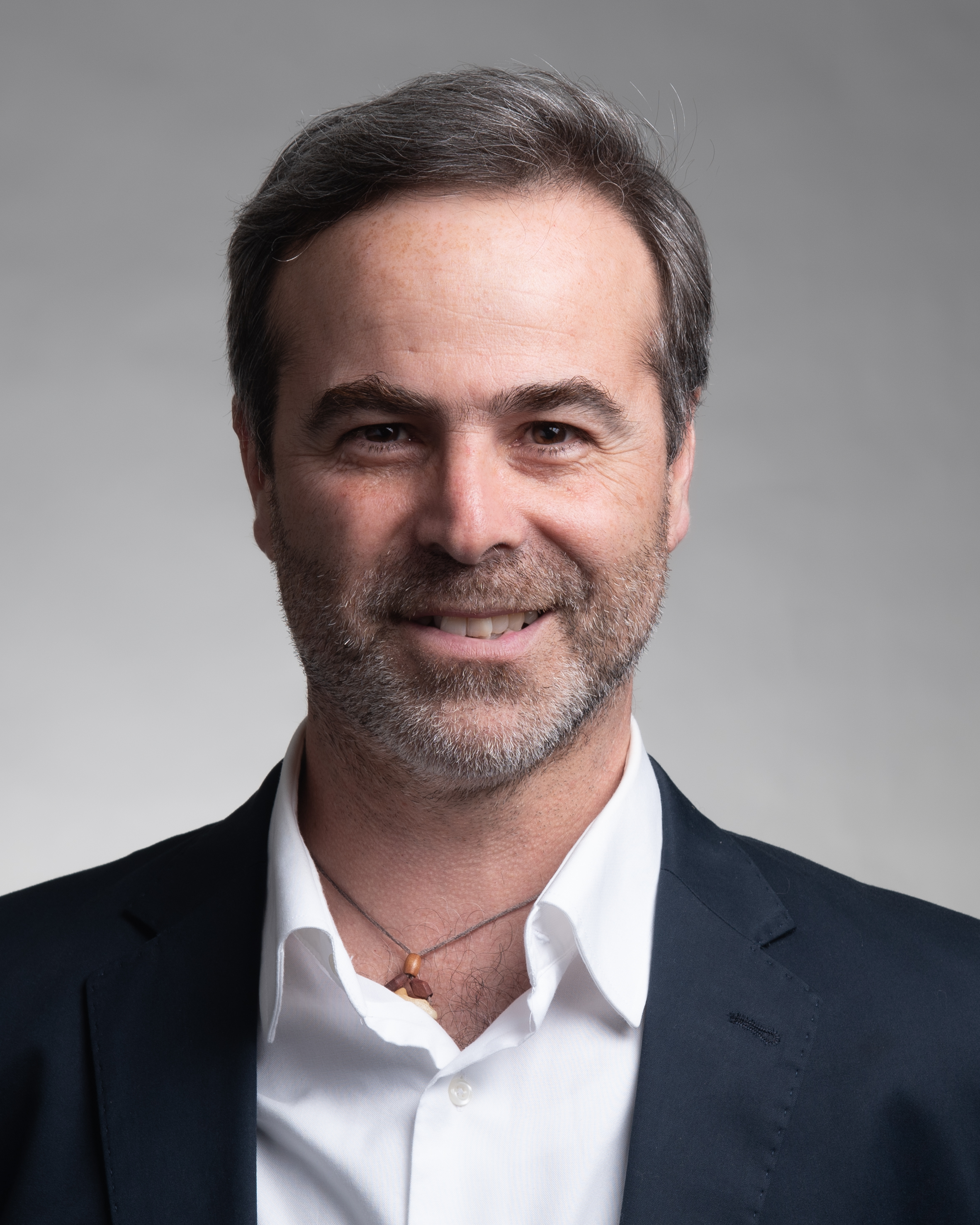
Dr Pablo Gregorini
Position
Head of Center/ Lincoln University Professor
Homeland
I joined Lincoln University (New Zealand) as Professor in 2017, where I head the Lincoln University Centre of Excellence “Future Productive Landscapes Design and direct the Lincoln University “Pastoral Livestock Production Lab”. I also serve as CAU Honorary Professor of Grasslands Science and IMAU Honorary Professor of Grasslands Ecology. I am a member of the Forum of the Pastoralist Knowledge Hub (FAO), Livestock, Environment and Development, (LEAD-FAO), Gamma Sigma Delta Honor Society of Agriculture (USA), Knowledge Sharing Network for Animal Nutritionists (FAO), American Society of Animal Science (ASAS) and American Registry of Professional Animal Scientists (ARPAS), as well as the American Forage and Grassland Council (AFGC). I am a board member of and one of the original founders of the International Scientific Committee for Animal sourced foods and Livestock: Ethics, Planet and Health ALEPH. I chaired the International Scientific Advisory Group for International Symposium of Nutrition of Herbivores and serve as Continuous Counsellor on the Rangelands Congress Committee and Scientific & Technical Committee Advisor for the Rangelands Stewardship Council. In New Zealand I am currently working on applied nutritional ecology of foraging, and grazing management, as well as Agricultural systems design. I also work with domesticated and wild ruminants in different grasslands and rangelands of the world. Finally, I keep close to a broader view of agricultural systems, working on the continuum of soil, plant, animal, population dynamics/ human health, as well as how phyto-chemistry and culture links the palates of humans and herbivores with landscapes.
Dr Shannon Davis
Position
Head of School/ Lincoln University Senior Lecturer
Homeland
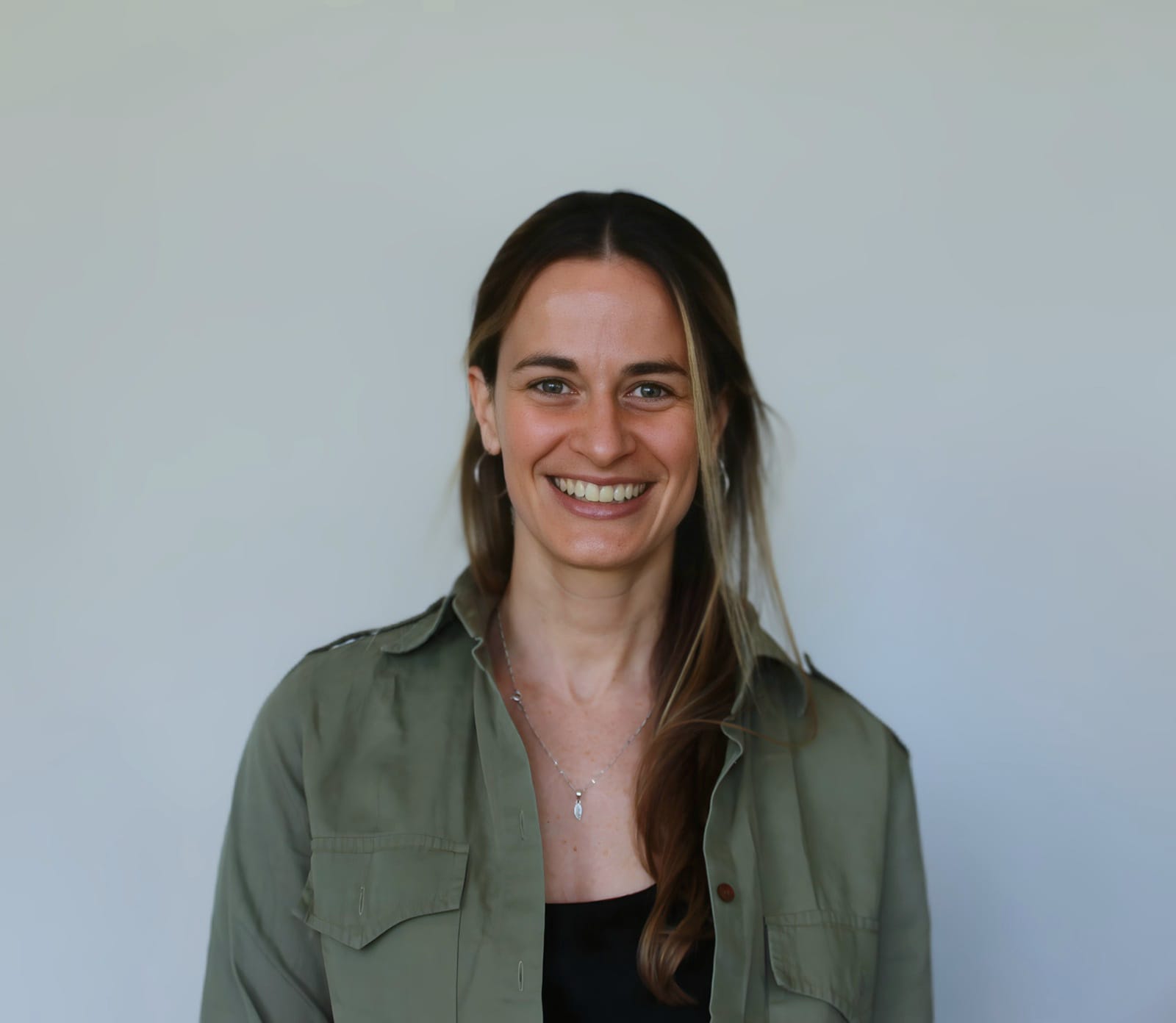
I specialise in Urban Agriculture, Food Landscapes and Landscape Planning and Assessment. I teach both undergraduate and postgraduate courses, and have supervised many Masters students to completion. I also work within the Centre of Excellence: Designing Future Productive Landscapes, leading the research theme Future Foodscapes for Health, and contributing to Future Agroecosystems research. My current research focuses on Agricultural Urbanism, and the spatial re-integration of productive land-uses back into our rapidly growing urban settlements. I work collaboratively with researchers from several of New Zealand’s Crown Research institutes and leading multi-disciplinary industry consultancies.
Dr Stuart Charters
Position
Lincoln University Associate Professor
Homeland
My research focus is on the intersection of technology, agriculture and ecology which we term, computational agroecology and also on the human aspects of computing, including Software Engineering, Visualisation and eResearch. I investigate how humans engage and interact with this technology. My research includes both the design and deployment of technology for deployment in the environment and on farm; presentation of data and information for consumption (mobile web and interactive visualisation, evidence based software engineering) and the processes around human engagement (eResearch and Evidence Based Software Engineering). The ability for people to effectively engage with technology and interpret data is essential for technology adoption and effective data based decision-making. My work in Evidence based Software Engineering improves the quality of research reporting, and provides methods and tools to allow research evidence to be assessed to understand the impact on practice or policy. I work collaboratively with colleagues in New Zealand, Australia and the UK. I was previously seconded to be the Director, SIGNAL ICT Graduate School, which focused on growing and developing tech professionals for New Zealand.
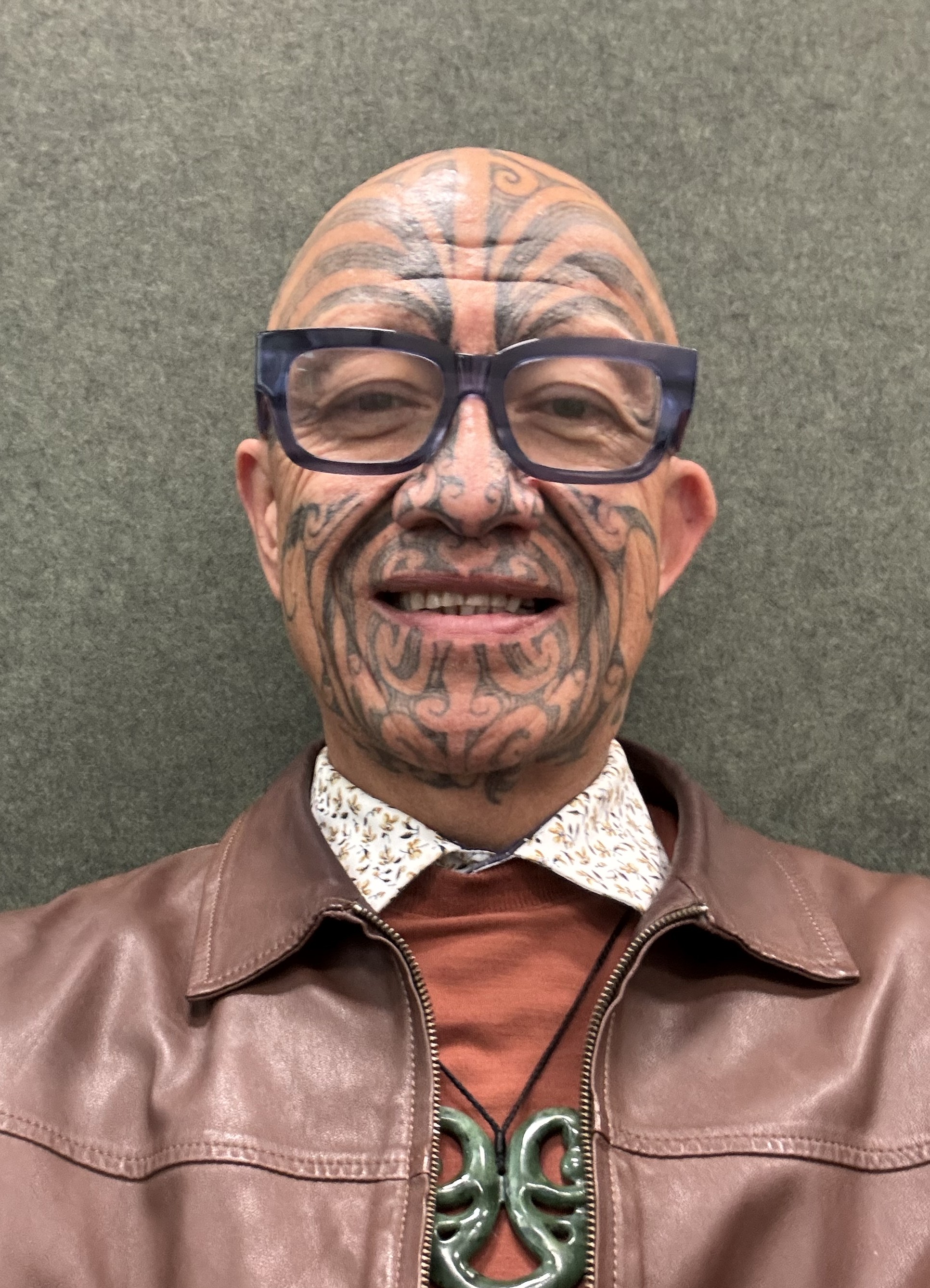
Dr Te Kahautu Maxwell
Position
Professor
Homeland
Tēnā koutou, haere mai. Ko Te Kahautu Maxwell tōku ingoa. I am an Adjunct Professor at the Centre of Excellence “Designing Future Productive Landscapes”, at Lincoln University, and a Professor at Te Pua Wānanga ki te Ao – the Faculty of Māori and Indigenous Studies at the University of Waikato. Born and raised in Ōpōtiki, Aotearoa, New Zealand, in the eastern Bay of Plenty. I am of Te Whakatōhea. I maintain whakapapa ties to several iwi across the motu. My research is interdisciplinary and impact-driven, linking Indigenous knowledge with pressing contemporary issues to support the well-being, resilience, and sovereignty of Māori communities. I work collaboratively with iwi and hapū to advance locally grounded solutions. I foster partnerships with Western scientists to co-develop an integrated knowledge model that brings together Mātauranga Māori and Western science. These models aim to support culturally aligned and sustainable futures—particularly in the realms of environmental stewardship, food security, and climate adaptation. My research contributes to the transformation of research practice in Aotearoa, championing kaupapa Māori frameworks as vital to both academic excellence and community empowerment.
Dr Iain Gordon
Position
Homeland
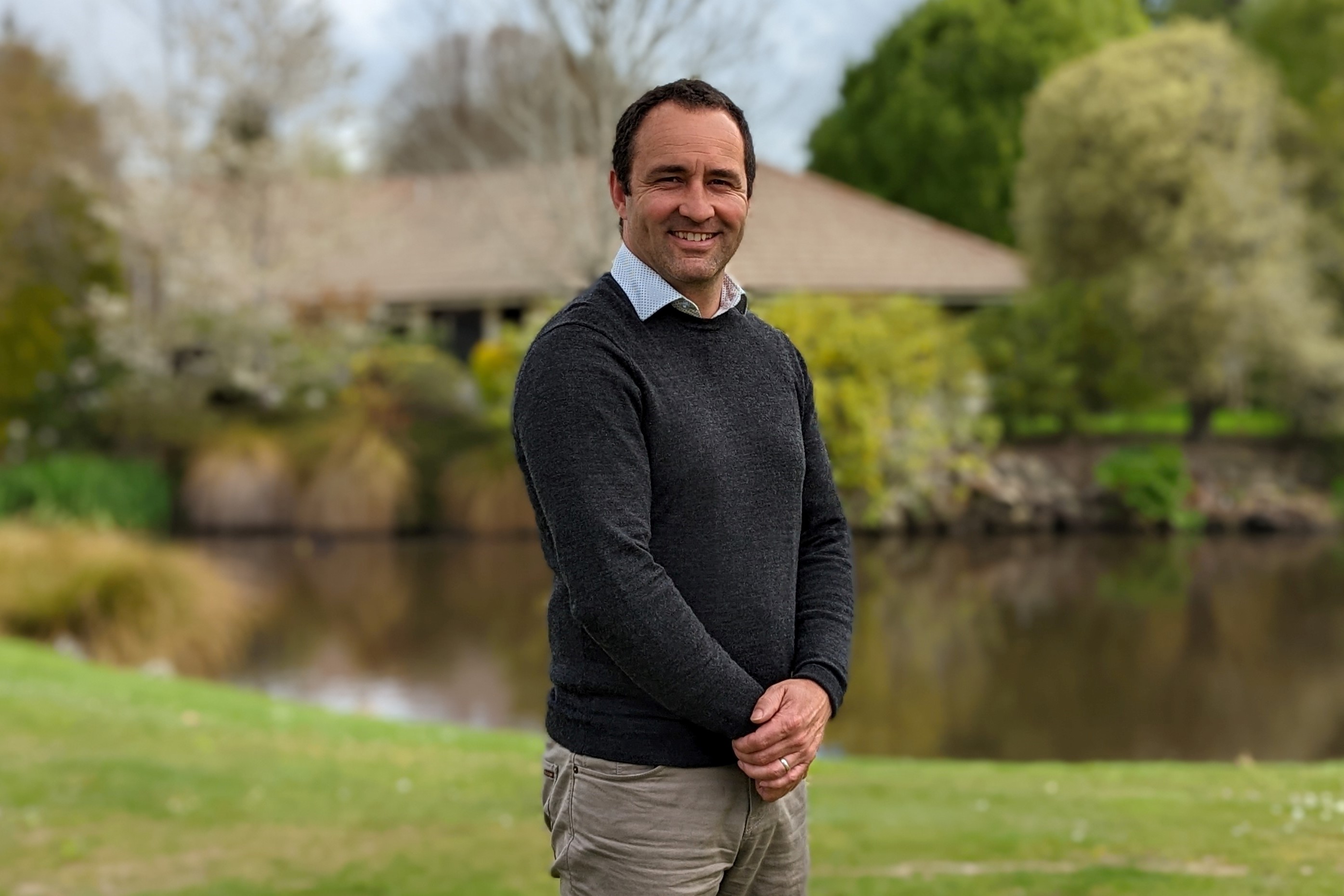
I hold honorary appointments with several universities in Australia and New Zealand, including at Lincoln University. My research focusses on evidence-based solutions for the use of land for agriculture whilst maintaining natural resources and ecosystems. I have worked across a broad range of areas including pest management in the Wet Tropics, biodiversity conservation and livestock management in Africa, Asia, the Middle East, South America, Europe and Australia and land and catchment management to protect the Great Barrier Reef. I have published over 350 book chapters and papers in international peer reviewed journals and 11 books. I am currently Chair of the Gladstone Healthy Harbour Partnership, the Threatened Species Scientific Committee, the Southern Gulf NRM and the TNQ Drought Hub Steering Committee. I have a passion and commitment for sustainable regional development and harnessing the tropics’ enormous potential through education and research.
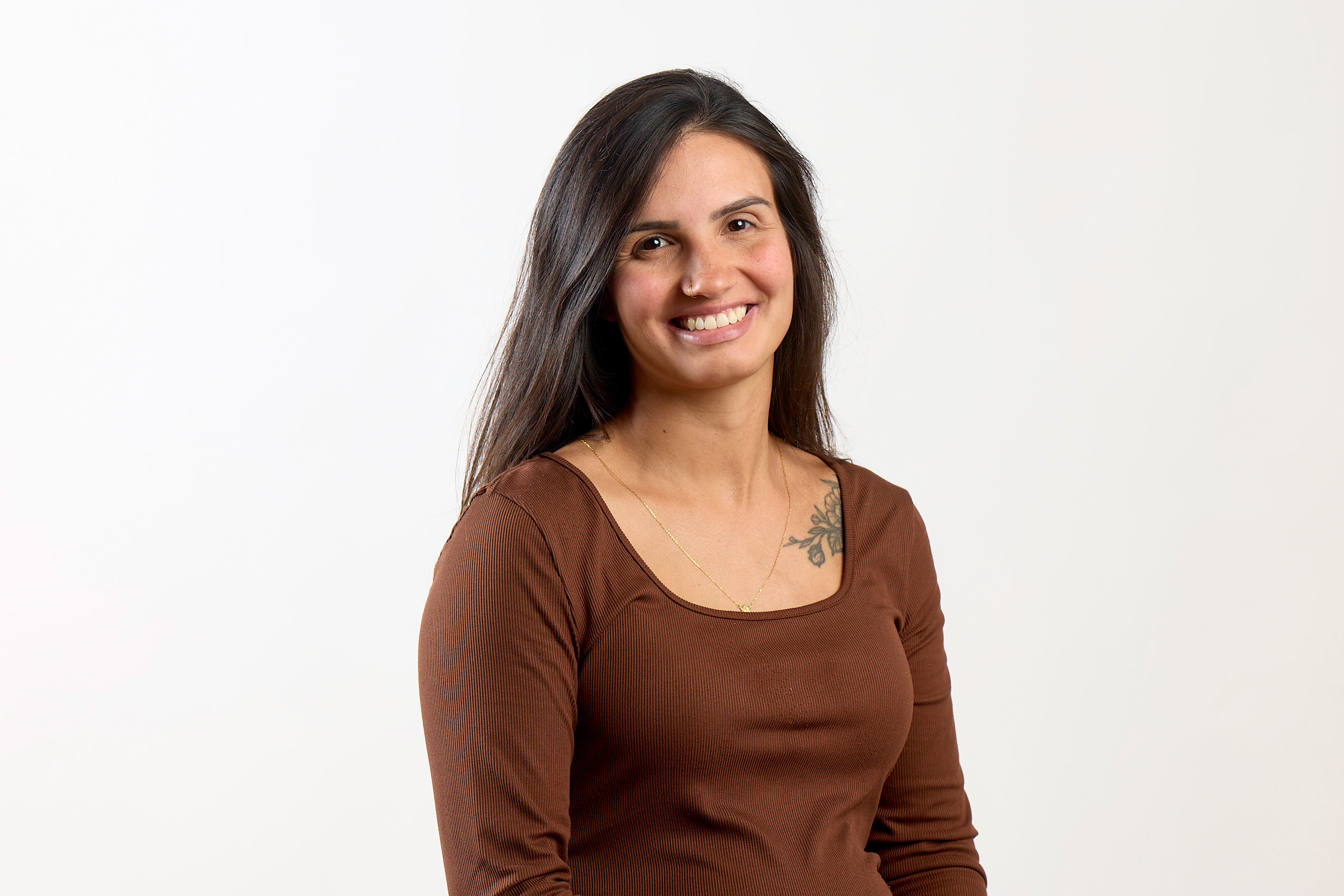
Dr Fabiellen Pereira
Position
Post Doctoral Researcher
Homeland
I am an animal scientist from Brazil with a passion for developing efficient, resilient, and healthier agricultural systems. My main focus is on grazing management strategies and holistic approaches that connect soil, plants, animals, and humans to promote sustainable pastoral livestock production globally. I recently completed my PhD, where I proposed an innovative methodology focusing on different components of grassland ecosystems. Using modelling and systems thinking, I demonstrated that grasslands need to be managed as context-adjusted, adaptive, and complex systems to remain multifunctional and deliver multiple ecosystem services. Currently, I am working on a project comparing different farming systems to understand how they affect milk quality, soil health, and the potential impacts of milk on human health. I am also involved in a project in Saudi Arabia to determine the carrying capacity of natural reserves. My areas of interest include grazing management, rangeland ecology, and integrating these disciplines to improve pastoral production systems while maintaining ecosystem health. I particularly enjoy combining field-based observational studies with modelling and GIS to generate realistic, fast, and efficient outcomes that can be applied at larger scales. In the future, I intend to expand my expertise in sustainable pastoral livestock systems and geographic information systems, incorporating modelling and systems thinking approaches to promote strategies that support healthy ecosystems.
Dr Elizabeth Elliot Noe
Position
Post Doctoral Researcher
Homeland
My research area is biodiversity conservation in human-dominated landscapes. My research to date has focused on promoting native biodiversity and understanding human-nature relationships in landscapes heavily used and disturbed by people, primarily cities and agricultural lands. I draw on theories, concepts, and methods from multiple disciplines, including environmental and social psychology, human geography, conservation biology, and restoration ecology, to explore people’s values, relationships with their environment, habits, and actions in order to address interconnected socio-environmental challenges. I am currently a postdoctoral fellow exploring the Integral Health Farming concept, which emphasises the interconnectedness of human, animal and environmental health, as a pathway towards agroecological transformation of the agri-food system.
Dr Sagara Kumara
Position
Post Doctoral Researcher
Homeland
I am Dr. Sagara Kumara, a veterinarian and animal science researcher with a BVSc, MPhil, and PhD in veterinary and animal sciences, and over 10 years of experience in clinical practice, university teaching, and applied research in livestock health and production. Originally from Sri Lanka, I am currently based at Lincoln University, New Zealand, where I work as a postdoctoral researcher. My research focuses on sustainable pasture-based systems and improving animal health and productivity through practical, science-driven solutions. I have led research exploring how pasture diversity and seaweed-based bio-stimulants impact not only animal performance but also human health through integrated metabolomics. My current work involves developing antibiotic-free intra-teat-canal devices to prevent mastitis in dairy cows, supporting responsible antimicrobial use in the dairy industry. Alongside my research, I teach final-year animal production students and supervise honours projects focused on dairy science and livestock health. I have published in international peer-reviewed journals and work across diverse disciplines, collaborating with teams in animal nutrition and health. I have completed the theory component of the Australasian Veterinary Boards Council (AVBC) licensing exam and will become a fully registered veterinarian in both New Zealand and Australia upon completing the practical component in 2025. Looking ahead, I am passionate about building strong relationships and research connections that link soil, pasture, animals, and human health to support more sustainable and resilient livestock production systems.
Dr Richard Morris
Position
Post Doctoral Researcher
Homeland
I hold a PhD in Agricultural Science from Lincoln University and bring over three decades of international experience as a practicing architect, with projects spanning Europe, Asia, Australia, and Aotearoa New Zealand. As well as conventional commercial sectors, my professional work has included community development initiatives in Myanmar and a humanitarian role as Construction Manager for Médecins Sans Frontières in Afghanistan. I am currently a Postdoctoral Fellow at Lincoln University’s Centre of Excellence for Designing Future Productive Landscapes, where my research integrates Western science and mātauranga Māori to support climate adaptation, with a growing emphasis on Nature-based Solutions.
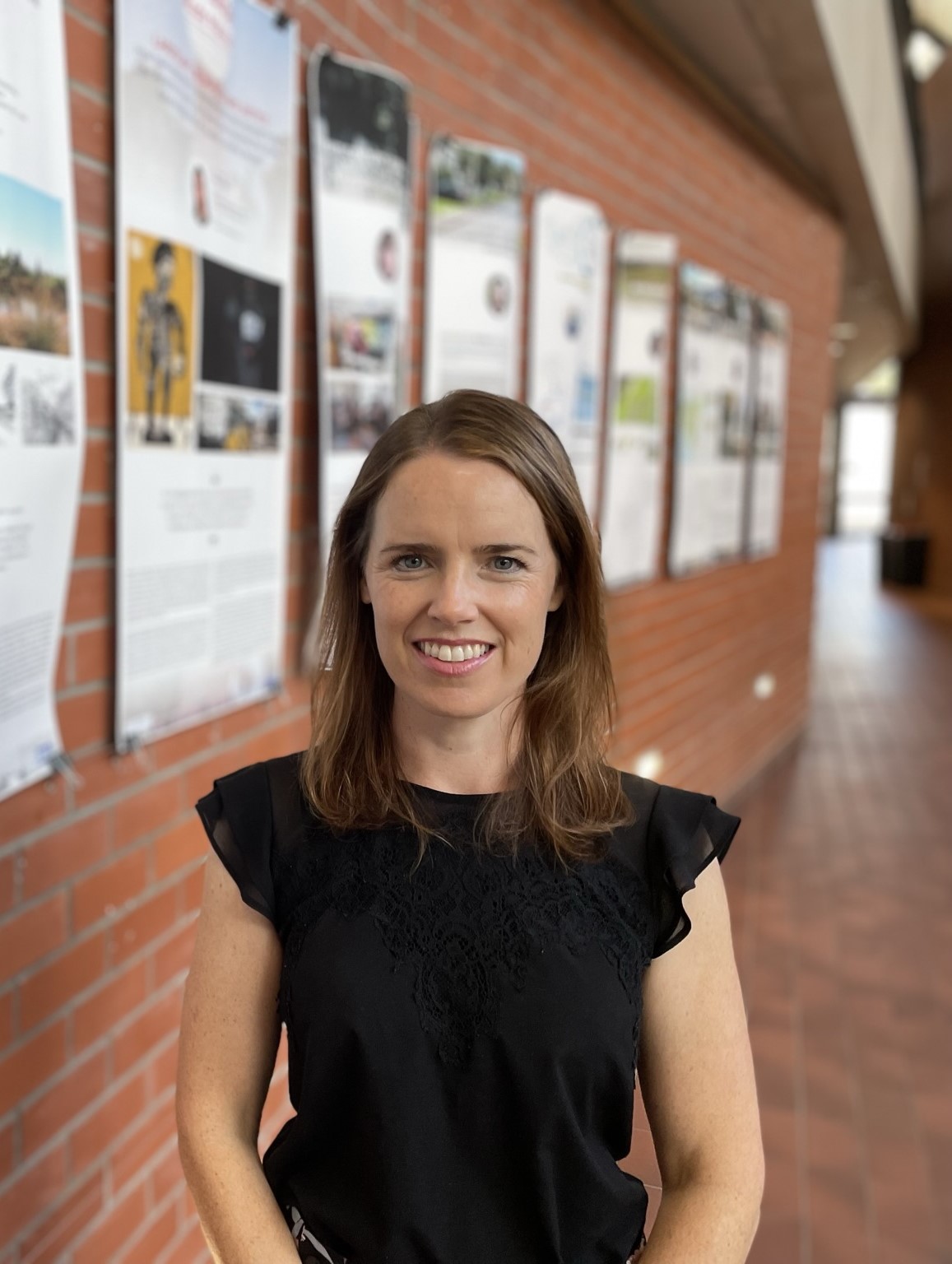
Anneke Kraal
Position
Project Coordinator
Homeland
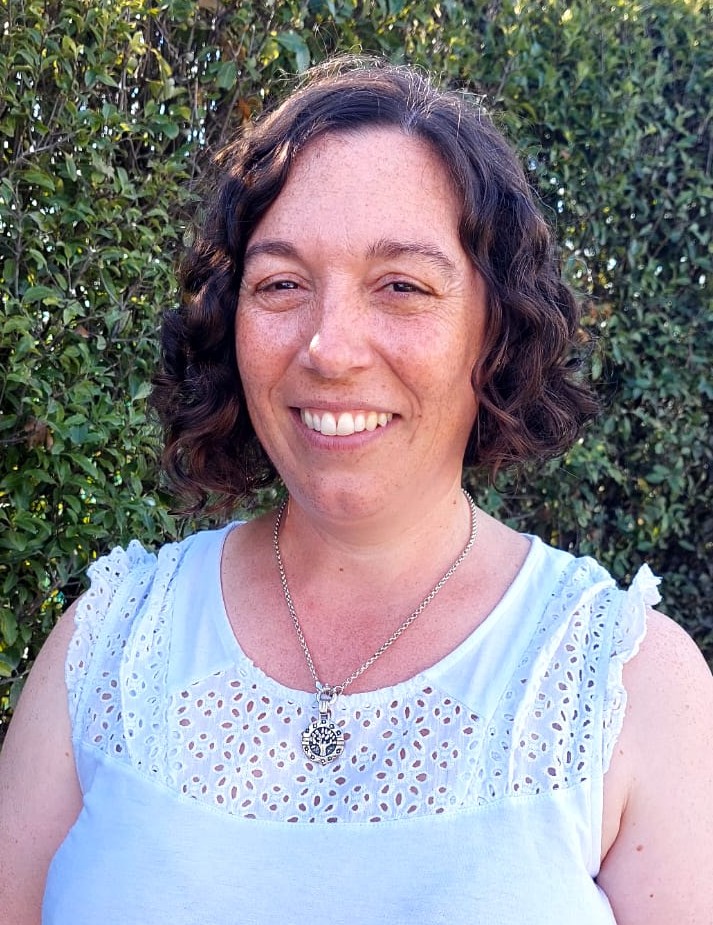
I'm Anneke and I'm a born and bred Cantabrian. I grew up spending summers on a family friends dairy farm/Clydesdale stud, developing my love of agriculture and large animals. I gained an undergraduate degree in Biological Science from the University of Canterbury. This led to large animal biosecurity and disease control, I spent 3 years in the M.bovis eradication programme, followed by a year in the TB control programme. I joined Lincoln University in July 2022 as a Research Technician at the Center for Soil and Environmental Research. In Dec 2024, I moved a whooping 500m across campus into the Project Coordinator role. Research and the Agriculture industry are my passion, and I look forward to a long career helping to drive innovation and progress to a healthier future.
Anna O'Sullivan
Position
Landscape Architect/Research Assistant
Homeland
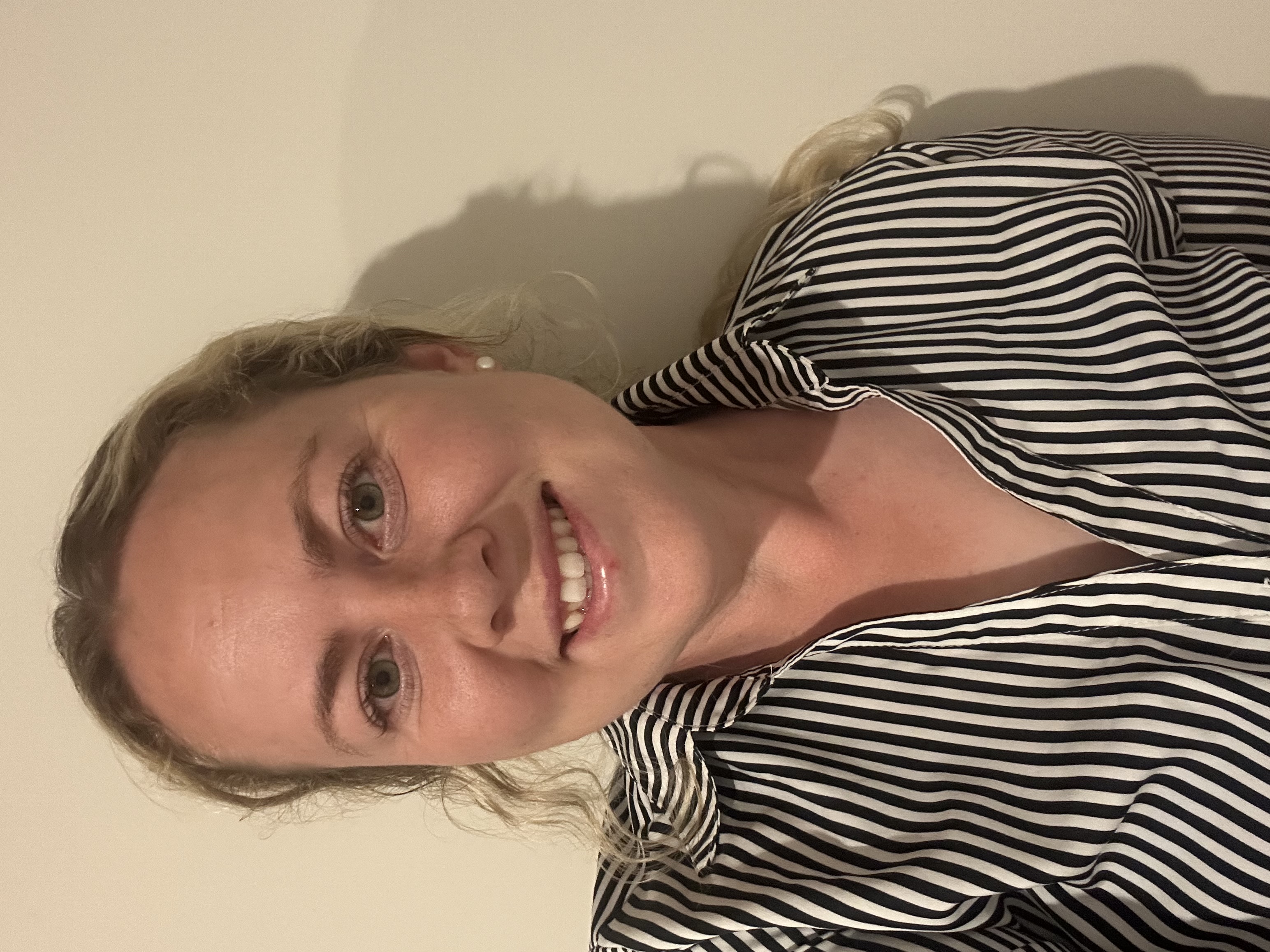
I am a Landscape Architect with a background in horticulture, specialising in sustainable landscapes and planting design. My research currently is focused on the design and implementation of the Integral Health Dairy Farm, featuring wintering block planting, wetland trail and multifunctional browsing modules known as “Tuna”. These modules utilize plant selection strategies that benefit dairy cow health while supporting biodiversity by monitoring insect and bird populations. Looking ahead, I aim to expand this work to explore how landscape design can enrich animal welfare, particularly through soundscaping to enhance the farm environment. My goal is to develop resilient, eco-friendly landscapes that promote animal well-being, ecological health, and sustainable agriculture. Passionate about innovative, multisensory, multidisciplinary solutions, to create environments that benefit both animals, humans and the ecosystem.
James Eggers
Position
Landscape Architect
Homeland
I'm a landscape architect with a strong interest in ecological design and sustainable land use. My work with the Centre of Excellence focuses on graphic production for marketing materials and developing planting lists for on-site implementation. I hold a trade certificate in landscape construction and a Master of Landscape Architecture from Lincoln University. For my master’s research, I led a spatial redesign of Ashley Dene Farm, exploring how multifunctional native woody vegetation can be integrated into productive farmland. My work aimed to enhance biodiversity—particularly habitat for native bush birds—while also improving shelter, shade, and foraging for livestock. I have been involved with Ashley Dene Farm for over six years and continues to contribute to its development. I’m currently a tutor at the School of Landscape Architecture at Lincoln University and completing a PhD focused on using remote sensing to identify and map native vegetation across the Canterbury Region. Outside of my academic and professional work, I enjoy life with my wife Catherine and our three children, often sharing my love of football with them.
Bella Orellana Howe
Position
Research Technician
Homeland
My passion for animals, science and the outdoors led me to study a Bachelor of Agricultural Science majoring in Environmental Management with Honours, where my dissertation focused on how differing concentrations of dietary plantain affected urinary nitrogen concentration and urination behaviour of late lactation dairy cows. After my Honours, I joined Fonterra's Graduate Technical Programme (FGTP) and studied a Masters of Dairy Science and Technology, learning about the other side of the dairy industry. In my thesis, I suggested opportunities for water reuse at a milk powder manufacturing site to reduce site water take. Following this, I knew I wanted to get back to my area of passion in the dairy industry- the agriculture side, so I joined the LU Pastoral Livestock Production Lab Group as a research technician. I provide practical support to a variety of projects led by PhD students and post doctorate fellows, but I am mostly focused on the Integral Health Dairy Farm, allocating pasture, recording biodiversity, planting trees, monitoring cow health through BCS and faecal scoring and collating data. I am interested in continuing to monitor the environmental impact of our practices on the Health Farm and collecting more data about the health of the animals and the health of people when they drink the milk.
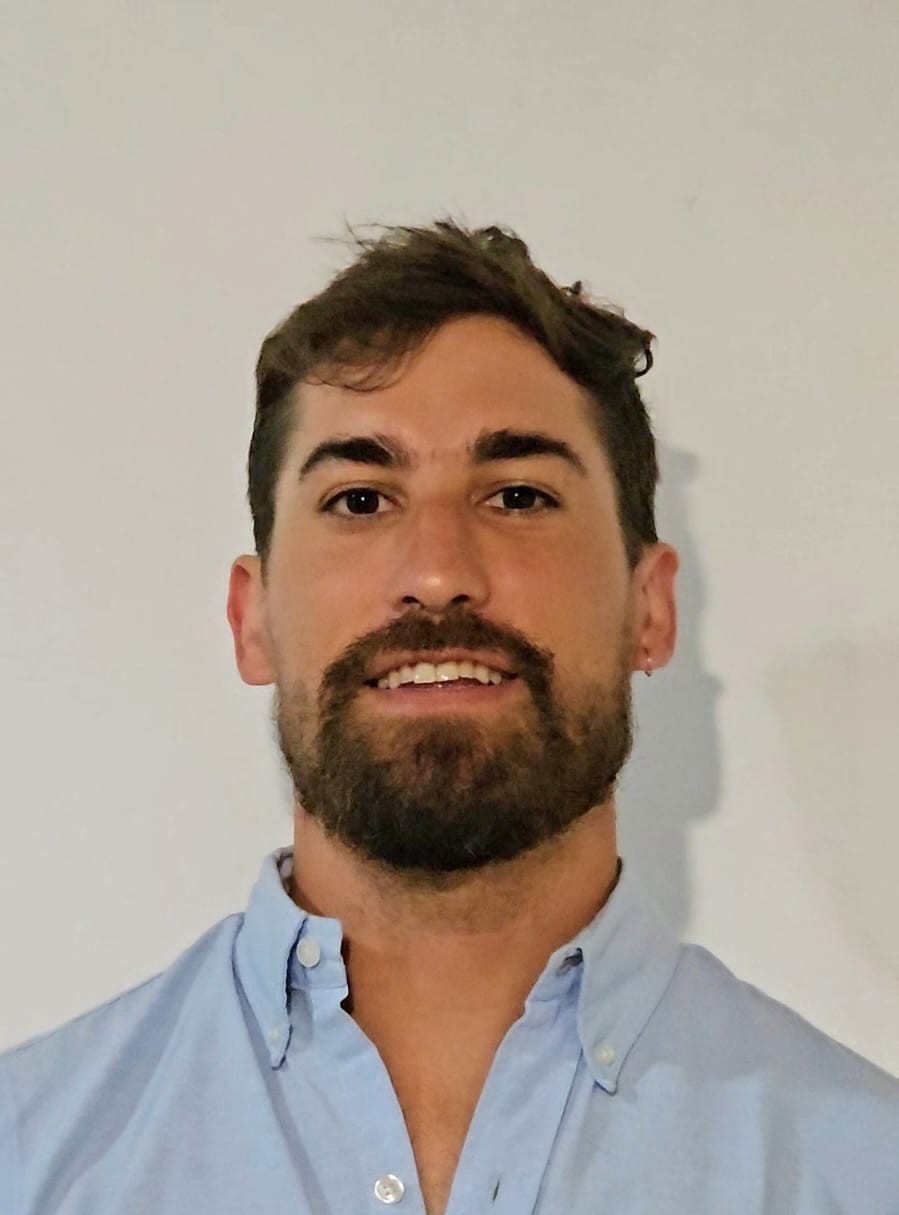
Lautaro Di Martino
Position
Intern
Homeland
I am an Industrial Engineer from Argentina currently working as an intern at the Centre of Excellence – Future Productive Landscapes. I am involved in the Integral Health Dairy Farm Project at Ashley Dene Research Station, contributing to the integration of technologies, data collection, simulation, and strategic planning. My focus is on creating a systematic and methodological approach to improve sustainability and profitability in agricultural systems. Before joining the lab, I led and participated in engineering consulting projects focused on large-scale dairy farms across Argentina and Uruguay through my role at Mafek.ing. I also gained experience in logistics, planning, and process optimization with well-known companies in the production and logistics sectors across Argentina and Australia. My work has consistently focused on improving efficiency, reducing waste, and integrating innovative technologies into complex operational systems. I am passionate about understanding natural systems and learning how we can work with them—not against them—to build resilience in human activities. My long-term goal is to use engineering, data, and systems thinking to create positive, sustainable impacts across industries and landscapes worldwide.

Alumni

Ella Parore Te Āwha
Field of study
Doctor of Philosophy
I grew up on a sheep and cropping farm in Central Southland, where my interest in agriculture and animal physiology began. I hold a Bachelor of Agricultural Science with First Class Honours. My Honours dissertation investigated salivary urea nitrogen as a non-invasive biomarker for nitrogen leaching risk in red deer. As an undergraduate, I also completed a research internship at AgResearch under the supervision of Dr. Pablo Gregorini and Dr. Anita Fleming. This project explored how plant secondary compounds influence animal health and productivity, and how livestock and their by-products ultimately impact human health and the environment. My doctoral research at Lincoln University investigates how seasonal rhythms and the physiological state of pregnancy influence ingestive and digestive dynamics in red deer. Using tools such as CT imaging, endocrine assays, and microbiome profiling, I aim to develop feeding strategies that enhance both productivity and environmental sustainability. Alongside my PhD, I led a dairy trial examining the adaptation of rumen fermentation and microbiome populations in grazing, lactating cows administered a tannin supplement. Following promising results, the trial is now progressing to a second phase in a commercial herd, assessing longer-term impacts on production, behaviour, and animal health. I aspire to continue contributing to livestock physiology and environmental research. My goal is to become a lecturer—and eventually a professor—dedicated to advancing sustainable agriculture, mentoring future scientists, and bridging the gap between productivity and environmental stewardship.
Emilia Lopez Seco
Field of study
Doctorate of Philosophy (PhD)
Location
As an Agricultural Engineer with a master’s in animal production, I am committed to developing livestock systems that balance productivity with ecosystem conservation. As a researcher of Argentina's National Institute of Agricultural Technology (INTA), my work integrates scientific research, extension services, and practical innovation, utilizing geospatial tools and advanced statistical analysis. My research has focused on developing comprehensive sustainability frameworks for livestock systems, with particular emphasis on soil-plant-animal interactions. This work involves designing and implementing field trials to evaluate nutrient cycling efficiency, forage system productivity, and the environmental impacts of different management practices. I have led initiatives assessing water and carbon footprints in dairy systems while developing practical protocols for effluent management and precision grazing. My approach integrates geospatial analysis with on-farm monitoring of key indicators like soil nutrients dynamics, compaction levels, and nutrient balances, translating these findings into management recommendations that enhance both productivity and ecosystem health. This research has yielded multiple peer-reviewed publications and informed regional best practices through extension programs. Currently, I am expanding this work through PhD research applying the Integral Health paradigm to deer production systems. This study explores how holistic farm redesign can simultaneously improve animal welfare, ecological resilience, and productivity, where humans participate as system components and health becomes the organizing principle. I believe animal production science must balance productivity with ecosystem health, animal welfare, and socioeconomic outcomes. This evidence-based, holistic approach, recognizing all system components as interconnected, is essential for transforming food systems.
Maria Umpierrez Bidegain
Field of study
Location
I am part of the team at Integral Health Dairy Farm (IHDF), bringing practical experience and a keen interest in sustainable agriculture to our research work. Originally from Uruguay, I spent about 15 years in the dairy sector, working as an advisor to dairy farms and helping to facilitate dairy discussion groups. This background gave me a solid understanding of farm operations and collaborative approaches. In my role as a Casual Research Technician at IHDF, I helped significantly with the early stages of our tuna planting project. I was involved in getting the plants established and keeping them going, contributing to the planting of over 1,500 trees and shrubs on the farm. I also support the daily workings of IHDF. I assists with farm walk and managing feed allocation, and help analyze farm data to find useful insights. I enjoy lending a hand to Ella with deer sampling and lab tasks for her PhD research. I’m committed to learning more in agriculture and completing my PhD studies in the near future. I greatly enjoy contributing to the IHDF team.
Bryan Thompson
Field of study
Doctor of Philosophy (part-time)
I was born and raised on a sheep, beef, and deer farm in Northern Southland, which fostered a lifelong interest in farming and animal science. After earning a BSc in Zoology from the University of Otago, I began my career in conservation before transitioning to animal health and disease research at AgResearch Invermay, where I have worked for over 20 years. In 2012, I completed a master’s degree in Agricultural Science at Lincoln University. I am currently undertaking a part-time PhD at Lincoln University, investigating behavioural syndromes in farmed red deer. My research involves fitting deer with wearable technology to monitor their grazing behaviour across two contrasting farming environments. The animals are tracked over four key physiological periods across two years to assess the consistency and stability of behavioural expression. This work aims to understand how individual deer interact with their environment and explore the potential for using behavioural syndromes as a selection tool to build more suitable herds—improving landscape utilisation and reducing environmental impacts.
Kaylee Spain
Field of study
Masters of Science
After moving to Canterbury, I attended Lincoln University, where I completed a Bachelor of Agricultural Science. After completing my bachelor's degree, I began working for PGG Wrightson Seeds in the Animal Nutrition and Farm Systems team as a Technician. I am now a Nutrition Scientist with PGG Wrightson Seeds and am responsible for running livestock and farm systems experiments to investigate how farmers can optimise their productivity using various forages and grazing managements. As a part of my postgraduate studies, I am working on an exciting project focusing on forages which may provide benefits for human health via animal products. A key part of this study is examining the relationship between forages with unique polyphenolic profiles and how these may alter the products produced by animals grazing them. This involves taking milk samples from ewes grazing different forages. Specific polyphenolic compounds are known to be beneficial to human health through various anti-inflammatory, anti-cancer, and antioxidant applications. We aim to demonstrate that by feeding forages rich in these beneficial polyphenolics, we can produce milk that is also rich in these polyphenolics, with potential applications to enhance human health. Both conventional and novel forages with unique polyphenolic profiles have been investigated. In addition to the forage effect on milk composition, the productivity and practicality of being able to incorporate these forages into a farming system is also being evaluated. I am excited to be part of a project that will not only have potential benefits for human health but also could have significant benefits for the sheep industry in New Zealand
Thilini Ramanayake Mudiyanselage
Field of study
Master of Science (Thesis)
Location
I am a part-time Master of Science (Thesis) student at Lincoln University, New Zealand, originally from Sri Lanka. With a background in agricultural science and crop science, my academic and research journey has always been grounded in improving food and forage systems for animal wellbeing. My current research focuses on understanding how diurnal and seasonal changes affect the nutritional composition, phenolic content, and fatty acid profiles of pasture species harvested at different heights. By identifying how plant chemistry varies across time and canopy layers, the study aims to support more informed pasture management strategies that enhance forage quality and contribute to better feeding systems in livestock production. This work reflects my strong interest in plant-based bioactives, particularly phenolics, and their role in promoting sustainable and nutrient-rich pasture systems. Prior to my master’s study, I gained hands-on experience in agricultural laboratories and research facilities in both Sri Lanka and New Zealand, including work in soil chemistry, milk quality testing, seed technology, and field sampling. I enjoy working in collaborative research environments and continually seek opportunities to contribute to practical, science-driven improvements in agricultural systems. Going forward, I aim to join a research or industry role that aligns with my skills in crop science, pasture management, and laboratory analysis. My goal is to contribute to sustainable agriculture by improving pasture quality and supporting the development of plant-based solutions that enhance the nutritional value of livestock feed and promote resilient farming systems.
Zoey Davis
Field of study
Bachelor of Agricultural Science (Honours)
I am a fourth-year student currently studying a Bachelor of Agricultural Science with Honours. Alongside course work this year, I am working on a dissertation focused on mastitis prevention using innovative nanotechnology, to reduce the global reliance on antibiotics in the dairy industry. I am excited to be a part of the research team working on this project, due to my strong interest in dairy production science. I am particularly passionate about exploring innovative ways to address persistent animal health issues with a focus on animal welfare, production, and sustainability. Coming from a dairy background has allowed me to appreciate the challenges farmers face with animal health and productivity issues such as mastitis. Looking forward, I hope to further contribute to research which will assist in the long-term sustainability of the dairy industry. My goal is to help bridge the gap between science and practical application by providing effective tools and strategies which farmers could realistically implement in their systems to improve animal health, productivity, and the sustainability of their business.
Jenna Williams
Field of study
Bachelor of Agricultural Science with Honours
My name is Jenna, and I am currently in my fourth year of a Bachelor of Agricultural Science at Lincoln University, where I have had the privilege of completing my final year with honours. I was raised on a small dry stock farm on the West Coast of the South Island, where my parents also operate a home kill butchery. Growing up, I developed a strong passion for agriculture—whether helping my dad on the farm or taking an early interest in the butchery. During my time at Lincoln, I tailored my studies toward animal and plant sciences, aligning with my interests and background. This led me to an honours project under the supervision of Professor Pablo Gregorini and Dr Sagara Kumara, focusing on lamb for human health—a project I was excited to be part of. After completing my degree, I hope to return to the West Coast and apply the knowledge and experience I’ve gained over the past four years to support and improve the agricultural sector in my home region.
Britney Taylor
Field of study
Bachelor of Agricultural Science (Honours)
I am born and bred Cantabrian, I grew up on a small deer farm surrounded by dairy, sheep, cropping, and vegetable operations, an environment that immersed me in agricultural opportunities and introduced me to incredible people who provide Kiwis with world class produce. I am currently in the final year of my Bachelor of Agricultural Science with Honours. My honours research focuses on the effects of pregnancy on the size and function of the caecum in red deer. With a strong interest in both livestock and agronomy, I am eager to continue expanding my knowledge and am excited to contribute to the agricultural industry after I complete my studies.