


Carrying capacity (CC) refers to the maximum number of animals that a given area can sustain over time without degrading ecosystem integrity. Although CC is frequently applied in wildlife and rangeland management, it is intrinsically dynamic because it is influenced by climatic variability, forage seasonality, and site-specific characteristics. A key requirement for estimating CC is an understanding of forage allowance, which represents the relationship between available edible biomass and the liveweight of animals grazing a particular area. This requires information on the spatial and temporal variation in forage quantity and quality to determine the nutritional value of habitat types for different herbivore species.
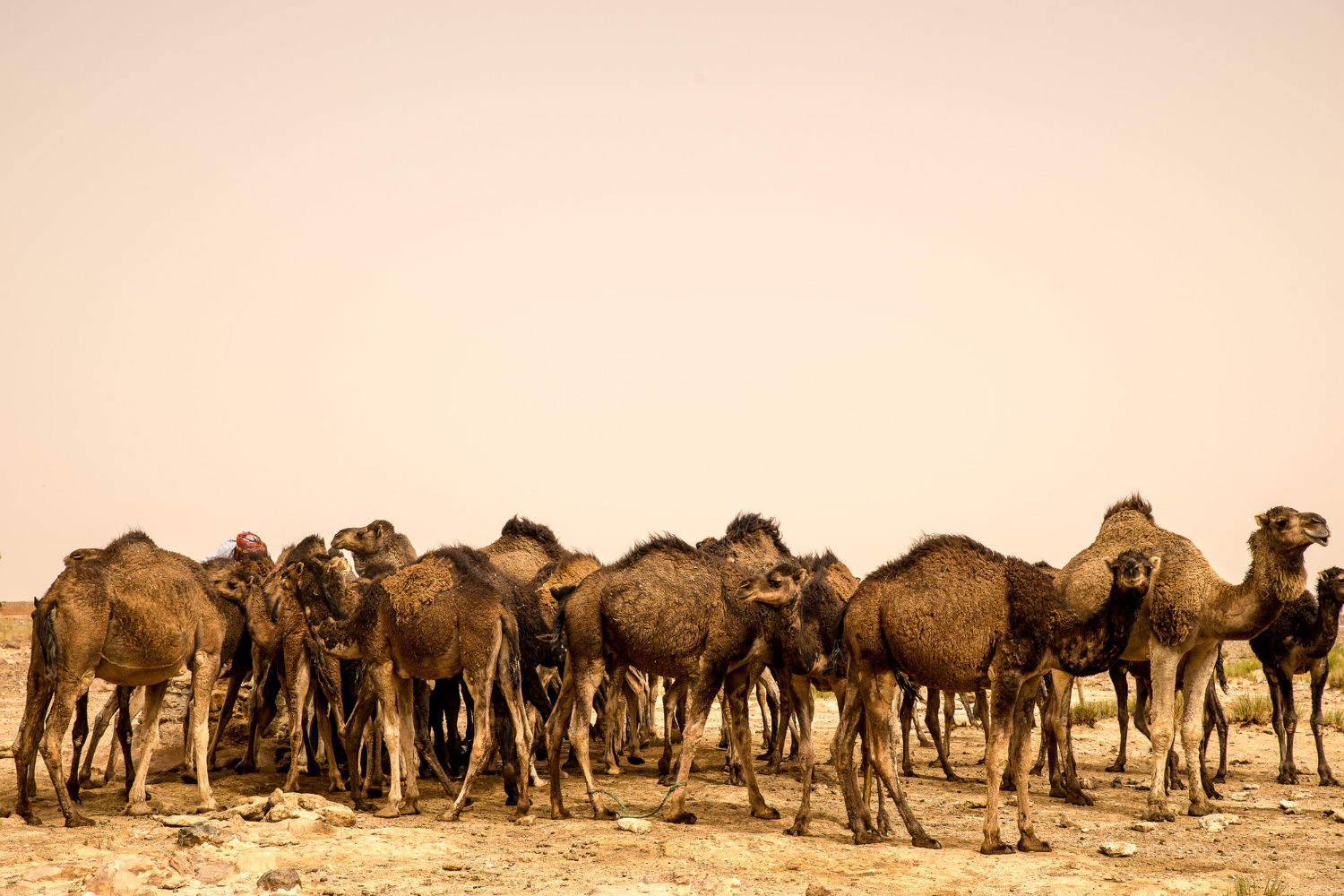
Developing dynamic CC estimates presents technical and economic challenges as it demands the integration of forage production, animal foraging strategies, and climate variability. Modelling provides a practical and scalable approach to address these complexities, allowing researchers and managers to evaluate scenarios and make predictions with lower cost and time investment than large-scale field experiments. In this project, for AlUla - Saudi Arabia - and surrounding nature reserves, CC was therefore estimated through statistical and spatial modelling by matching forage availability and variability with animal intake demand across space and time.
The modelling framework combined resource distribution estimated from remote sensing and ground-based assessments with information on species-specific foraging behaviour, including feeding guild (grazer, browser, mixed feeder), digestive physiology (ruminant, pseudo-ruminant), and habitat types. GPS tracking data were used to examine spatial patterns of habitat use and potential interspecific competition. Spatial statistics and regression analyses were used to identify relationships between forage conditions and grazing pressure. Ultimately, CC was calculated as the ratio of edible forage biomass to the daily intake requirements of each species over a defined period, accounting for critical and optimal forage production seasons to guide adaptive grazing and conservation management.