

Adipose tissue is a key factor in regulating meat quality.
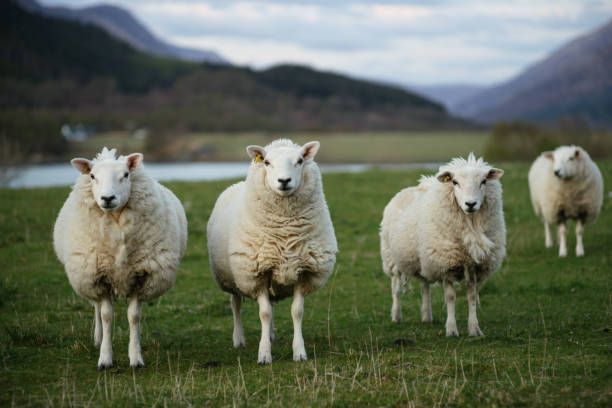
In this study, lipidomics was used to investigate differentially expressed lipids (DELs) associated with fat deposition and flavour in subcutaneous adipose tissue (SAT) of lambs under different grazing intensities (moderate grazing (MG) and heavy grazing (HG)) with different supplementary feeding levels (No supplementary (NS), low supplementary (LS) and high supplementary (HS)). The results revealed that carcass quality and economic bennefits under moderate grazing or supplementary feeding conditions were superior to those under heavy grazing or non-supplementation regimes.
Compared with MG-NS, HG-NS maintained SAT deposition through increased cardiolipin (CL) levels, but compromised lipid quality through accumulation of sphingolipids (e.g., sphingomyelin), posing potential health concerns. Under HG conditions, supplementation unexpectedly reduced flavor precursor phospholipids such as phosphatidylglycerol. In contrast, moderate grazing provided a healthier source of lamb meat, with supplementary feeding further improving SAT deposition and flavor precursors through coordinated increases in CL and phosphatidylserine, elevated unsaturated fatty acids.
These findings demonstrate that moderate grazing combined with strategic supplementation synergistically enhances meat quality and economic benefits, while revealing critical linkages between grassland utilization practices, lipidome-driven meat attributes and human dietary health.
10.1016/j.fbio.2025.106497