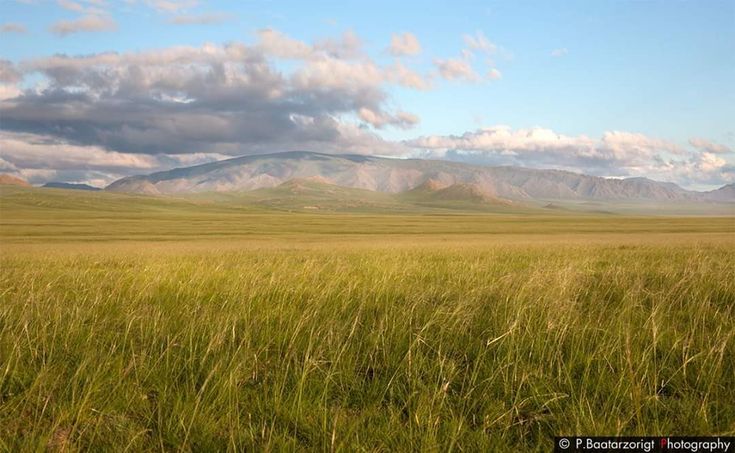


Desert steppe ecosystems are very sensitive to climate change. Although precipitation is known to promote carbon exchange and biomass production, quantitative assessments of C3/C4 species dynamics and carbon-water coupling mechanisms under long-term precipitation manipulation remain limited.
Here, we conduct a five-year rainfall control experiment in the Stipa breviflora desert in Inner Mongolia, China, employing four treatments: 50 % reduced precipitation, natural precipitation, 50 % increased precipitation, and 100 % (doubled) precipitation. We measured gas exchange in each plot with a portable photosynthesis system Li-6400 and measured aboveground biomass of C3 and C4 species during the growing season (May–October).
The results demonstrated that elevated precipitation enhanced ecosystem carbon exchange, driven by a linear increase in C3 species biomass, with a 100 % precipitation increase significantly strengthening carbon sink capacity. Conversely, the carbon sink function of C4 species declined under drought (reduce precipitation by 50 %).
These findings suggest that C3 biomass dominates carbon-water coupling, while C4 species buffers drought effects, collectively stabilizing ecosystems under extreme precipitation.
10.1016/j.jaridenv.2025.105467