

.jpg)
The objectives of this experiment were to refine the use of open-circuit gas-quantification methodology to estimate energy intake by ruminants and compare 4 different approaches to account for urinary N (UN) excretion.
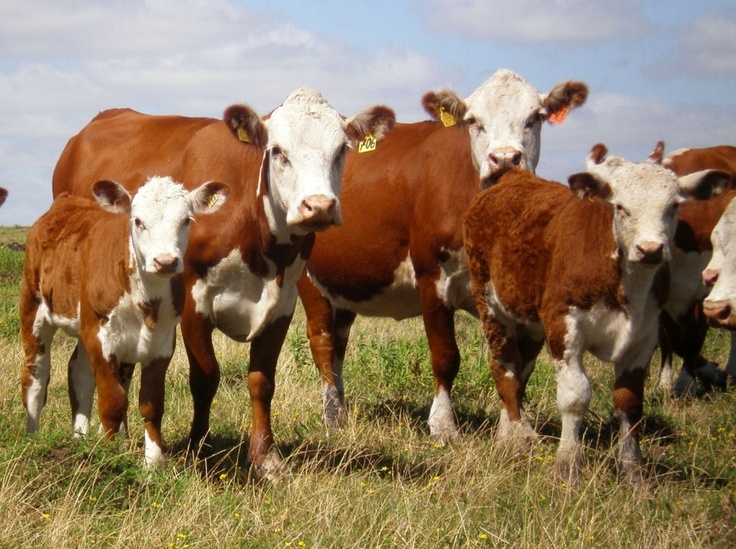
Eight cross-bred beef steers with a beginning body weight (BW) of 244 ± 15.1 kg were used in a 77-day feeding experiment. Steers were assigned to 1 of 3 multiples of the calculated metabolizable energy (ME) requirement at maintenance (10.7 megacalories of ME), which are 1.1 x maintenance, 1.4 x maintenance and 1.8 x maintenance. Diets were long-stemmed wheat (Triticum aestivum L.) hay and supplemental alfalfa (Medicago sativa) pellets.
Respiratory gas fluxes were measured using an automated head chamber system (AHCS; GreenFeed, C-Lock, Inc., Rapid City, SD, USA). Urinary N excretion was accounted for with 1 of 4 approaches and included estimating UN excretion using prediction models based on either 1) diet quality and dry matter intake, 2) BW, 3) assuming a constant value centered on the average of the 2 model estimates (60 g/day), and 4) assuming UN excretion to be 0. Pearson correlations between estimated gross energy (GE) (r = 0.95), digestible energy (DE) (r = 0.88), and ME intake rates and measured values were highly positive (r = 0.85) regardless of the approach used to estimate UN excretion. Approaches to estimate UN excretion differed by 0.81 % at the most when calculating ME intake and concordance of correlations coefficients showed good or better agreement between the estimated and measured GE, DE, and ME intakes (rc ≥ 0.45).
This experiment confirmed that short-term breath measurements from an AHCS, together with BW change, can be used to estimate GE, DE, and ME intake by cattle.
10.1016/j.jafr.2025.101912